
If you are asking what is truly worth seeing in Ireland, the short answer is a mix of a few cities, a few coastlines and one or two long drives. This guide sorts those choices by the kind of trip you want, and explains how the island’s size, climate and political divide affect the way you plan.
How is Ireland laid out, and why does it matter for planning?
Ireland is one island with two political halves. The Republic of Ireland covers about five-sixths of it, and Northern Ireland, part of the United Kingdom, takes the remaining sixth. That means a single trip can cross a border, and it is worth checking in advance how this affects your rental car, your phone plan and the currency you will need.
The landscape is simpler than the border. Relatively low mountains ring the edge of the island, with a central plain in the middle and several navigable rivers running inland. In practice, the dramatic scenery tends to sit on the coast, while the middle of the country is gentler farmland and river valleys.
The climate is mild and strongly shaped by the Atlantic. Winters are gentler than you would expect at this latitude, summers are cooler than in continental Europe, and rain and cloud are common in every season. Build slack into any itinerary, and treat a clear day on a headland as a bonus rather than a promise.
One more planning point: the Republic has a very different feel from town to town. A university city, a small harbour village and a ruined-castle landscape can all be a short drive apart, so you rarely need to cover huge distances to see variety.
Which cities are worth a stop?
You do not need to see every city. Choose according to what you enjoy, and give each one at least a full day.
- Dublin is the capital and the natural starting point. Theatre, live music and a large number of pubs are its main draw, and it works well for a short break.
- Cork is often called the second city and has a student-town energy. Its English Market and some unusual small museums make it easy to fill a day on foot.
- Kilkenny is small but busy, with a castle, grounds for walking, a medieval core and a steady calendar of festivals.
- Limerick is often overlooked. Its weekend Milk Market, riverside castle and easy public transport to Bunratty Castle and Folk Park make it a relaxed base.
- Galway has a young, lively feel thanks to the university, and a strong food scene that includes a Michelin-starred restaurant.
- Belfast in Northern Ireland pairs the Titanic museum with day trips to Bangor, the Giant’s Causeway and the Antrim coast.
If time is short, pair Dublin with one smaller city rather than rushing through four. Kilkenny and Galway suit very different moods, so pick the one that matches the evenings you want.
Where are the most scenic corners?
Beauty in Ireland is rarely concentrated in one famous spot. It is spread across peninsulas, harbour towns and quiet lough shores, and the best approach is to choose a couple and linger.
The Dingle Peninsula
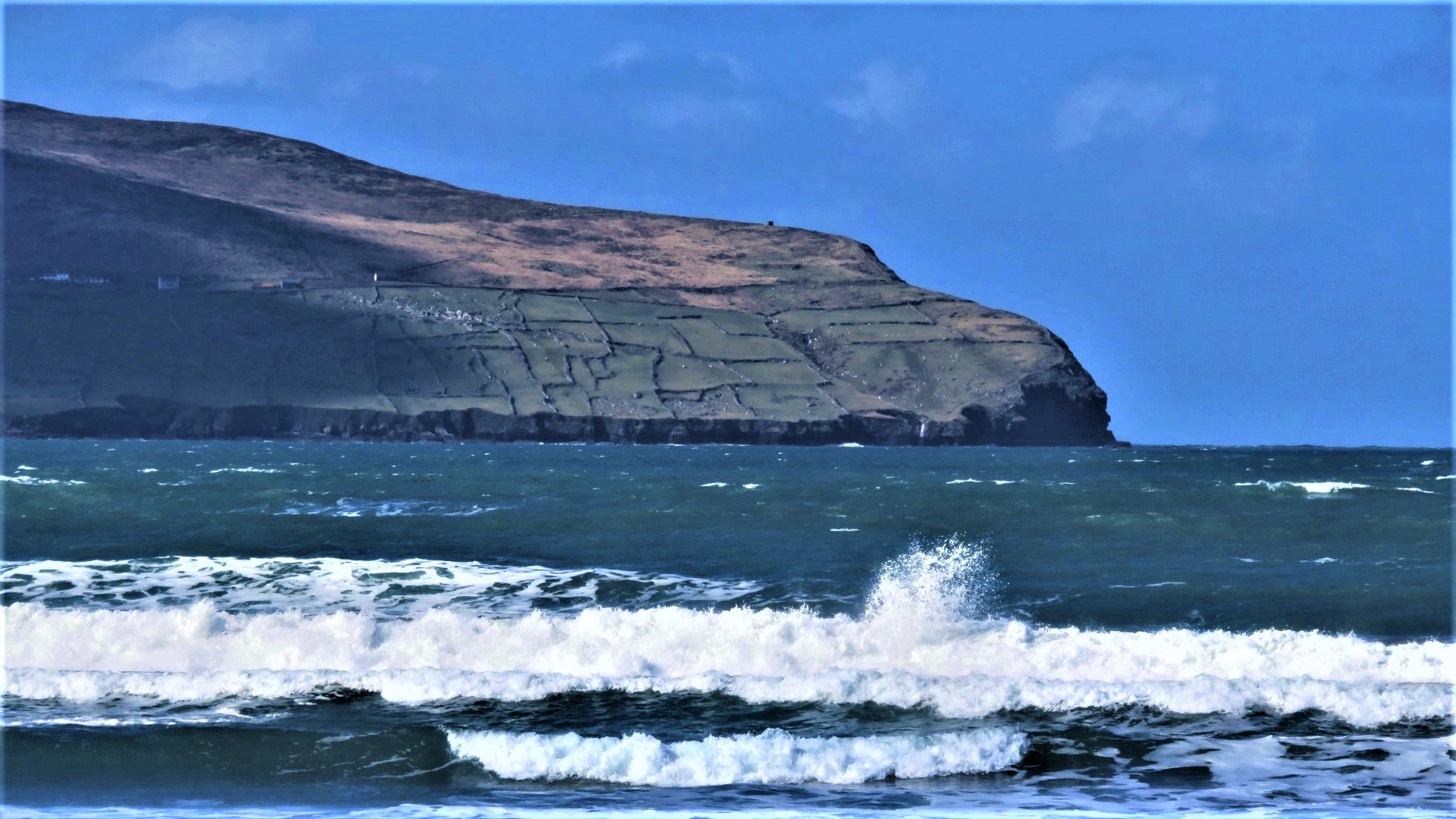
Dingle combines coastal views with old stone beehive huts, modern gin distilleries and a pub named after the polar explorer Tom Crean, who came from this part of Kerry. It is a good example of how old and new sit side by side in one small area. If you want the practical detail, a separate guide on this site covers the Slea Head drive.
Kinsale, County Cork
Kinsale is a harbour town of colourful buildings and a strong reputation for seafood, which makes it a sensible choice if food shapes your travel. It also marks the southern end of the Wild Atlantic Way, so it works as a finishing point for a long drive.
Carlingford
North of Dublin, Carlingford offers a ruined castle and a very colourful village. It suits travellers with limited time who still want a coastal setting. From the southern shore of Carlingford Lough you can take a ferry across to Northern Ireland, to the area said to have inspired C.S. Lewis’s Narnia.
Mizen Head
In West Cork, Mizen Head is the south-westernmost point in Ireland and feels remote. Restaurants in Clonakilty and Skibbereen are a large part of why people spend time in this region, so plan meals as part of the day rather than an afterthought.
What are the best road trips, and how should you approach them?
Driving gives you the most freedom, but it asks something of you. Traffic keeps to the left, and many rental cars have a manual gearbox, so reserve an automatic early if you prefer one and are not used to changing gear with your left hand. Roads on the coast are often narrow, so plan for slower progress than a map suggests.
- It runs largely on small coastal roads from the Inishowen Peninsula in County Donegal to Kinsale in County Cork. Few people drive the whole route in one go, and doing it in segments is a perfectly good way to see it.
- The Causeway Coastal route in Northern Ireland works well as a day trip. Its best-known stop is the Giant’s Causeway, where rows of hexagonal stacked rocks run into the sea.
- West Cork is a strong choice for a slower trip, with Mizen Head and good food towns along the way.
- Tipperary, Waterford and Wexford can be combined with the Rock of Cashel for a long weekend.
- County Sligo suits readers who like literature, as it is the home county of the poet W.B. Yeats.
For any route, leave gaps in the day. The roadside stops and small towns are often what people remember, and a tight schedule removes them.
How much history should you build in?
Ireland’s past is visible everywhere, and a little context makes the landscape easier to read. Neolithic settlers were farming on the island before 4,000 BC, and some of the oldest field systems in the world survive beneath peat in County Mayo, at the Céide Fields. Gaelic Ireland had emerged by the first century AD, and the island was Christianised from the fifth century onwards.
Much more recent history is just as present in Northern Ireland. The island was partitioned in the early twentieth century, and the decades of conflict that followed eased after the Good Friday Agreement of 1998. In Belfast, guided tours of the murals and the so-called peace walls are a common way to understand this period, and many visitors pair them with the Titanic museum. If you only have a day, choose one of the two, because doing both properly takes longer than most people expect.
Dublin offers a different angle on the same story. Its old jail at Kilmainham is often recommended for understanding the path to independence, and it fits easily alongside a brewery or distillery visit if you want a balanced day.
As a general rule, give each historic site enough time to read the signs and talk to the guides. A guide’s local knowledge is often what turns a ruin into a story, and in a country this small, even a short stop can be rewarding.
Related reading
Sources
- Best Places to Visit in Ireland: Inspiration for Your Trip of a … (travel.sidewalksafari.com, accessed 2026-11-04)
- The Most Amazing 22 Best Places To Visit In Ireland In One … (teacaketravels.com, accessed 2026-11-04)
- Ireland — Wikipédia (en.wikipedia.org, accessed 2026-11-04)
Photo: Brandon Head -9006, Dingle Peninsula, Co. Kerry, Ireland, by Maoileann, CC BY-SA 4.0 (Wikimedia, via Openverse)