
The first thing to accept about Kerry weather
Kerry sits at the south-western corner of Ireland with nothing between it and North America but open ocean. Weather systems arrive off the Atlantic having crossed thousands of kilometres of water, hit the first high ground they have met since Newfoundland, and dump what they are carrying. That geography explains almost everything about the county’s climate: it is mild, it is wet, and it is extraordinarily changeable.
Mild is the part visitors underestimate. The ocean keeps winters soft, so hard frost and lying snow are unusual at low levels, and hedges of fuchsia and stands of subtropical planting survive in gardens that would be killed off in a colder country. But mild is not warm. Summer in Kerry is a mild, damp, breezy season, not a Mediterranean one, and people who pack for a beach holiday spend the week cold.
Why the forecast keeps changing
Ask a Kerry forecast for tomorrow and you will get something honest but vague: sunny spells and scattered showers. That is not laziness. In a maritime airflow, showers form and dissipate on a scale of a few kilometres, and the mountains of the Iveragh and Dingle peninsulas force air upwards, wringing out rain on the windward side while the next valley stays dry. A forecast for the county genuinely cannot tell you whether a specific glen will be wet at two in the afternoon.
The practical response is to change what you ask of a forecast.
- Use the national forecaster for the pattern, not the detail. Met Eireann is the authoritative source for Ireland and issues the warnings that matter. Read it for the shape of the day — a front coming through, a settled ridge, a windy spell — rather than for hour-by-hour certainty.
- Use rainfall radar for the next two hours. Radar shows you what is actually there and where it is going. On a showery day, twenty minutes of shelter often lets a squall pass entirely, and the radar tells you whether to wait or to give up.
- Look at the wind, not just the rain. Wind determines whether a headland walk is pleasant or punishing, whether a boat trip sails, and how cold the rain feels. A dry, windy day on an exposed clifftop can be far harder work than a still, drizzly one.
- Treat mountain conditions separately. Cloud base matters more than rainfall to anyone going high. Dedicated mountain forecasts for the Irish uplands give cloud base and summit wind, which a general forecast will not.
- Watch for weather warnings in autumn and winter. Atlantic storms can bring damaging wind, and services, ferries and boat trips are cancelled accordingly. Check before you commit to a long drive.
What each season actually offers
Spring
Spring is the quietly good season. The light lengthens quickly, the gorse comes into flower on the hillsides, lambing fills the fields, and the tourist infrastructure begins to reopen without yet being busy. Rainfall is often lower than in autumn, and there are runs of clear, cool, brilliantly bright days that photograph better than anything summer produces. The trade-off is that some seasonal businesses — boat operators, smaller restaurants, a few visitor sites — may not be running yet.
Summer
Summer brings the longest days, the warmest sea, the full programme of festivals and boat trips, and every other visitor in Europe. Expect the Ring of Kerry road, Killarney town and the honeypot car parks to be genuinely congested in July and August, and expect accommodation to be booked out and priced accordingly. Summer is also not reliably dry; a wet fortnight in July is entirely normal. What it guarantees is options: everything is open, and long daylight means a washed-out morning need not cost you the day.
Autumn
Autumn is underrated. September in particular often holds warm sea temperatures, softening light and thinning crowds, and the hills turn a deep russet as the bracken dies back. As the season goes on the Atlantic asserts itself, storms become more frequent and the days shorten fast. Late autumn suits people who want dramatic seas, empty beaches and pubs full of locals rather than visitors.
Winter
Winter is for a particular kind of traveller. It is rarely severely cold, but it is dark, wet and windy, and many seasonal businesses close. What remains is the landscape at its most elemental, low prices, and towns that belong to the people who live in them. Base yourself somewhere with a choice of places to eat and treat any outdoor plan as provisional.
Light, and how it shapes a day
Kerry is far enough north that the difference between midsummer and midwinter daylight is dramatic. In June the evenings run very late indeed, and it is possible to walk a beach after nine at night; in December the usable day is short at both ends. This matters more than most visitors expect when planning.
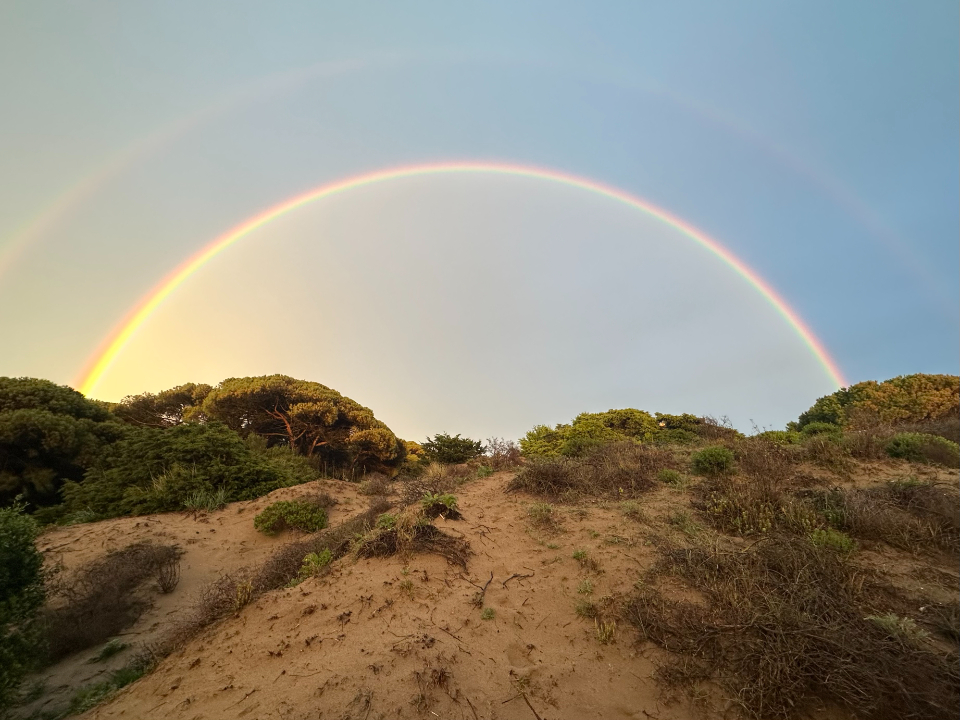
The other thing to understand is the quality of the light. Because the sky is usually broken cloud rather than uniform grey, Kerry produces a great deal of dramatic, changeable light — shafts moving across a valley, rainbows, sudden clearing over the sea. The best conditions often come immediately after rain, so do not put the camera away when a shower starts.
Midges, ticks and the small stuff
The biting midge is a real feature of the Irish west, not a myth. Midges need still, humid, overcast air and they are worst around dawn and dusk from late spring into early autumn. They are largely absent in any appreciable breeze, which is why an exposed beach is comfortable and a sheltered lakeside campsite on a calm evening is not. Repellent helps; wind helps more; a head net weighs nothing and is worth carrying if you intend to camp or sit outdoors in the evenings.
Ticks live in bracken, long grass and deer-grazed ground, and Ireland does have Lyme disease, so check yourself after walking through rough vegetation and remove any tick promptly with a proper tick tool. Neither should shape your trip; both are worth two minutes of preparation.
Packing without over-buying
Four seasons in one day is a cliche about Ireland because it is accurate, but it does not mean you need four wardrobes. It means you need layers you can add and remove quickly, and one genuinely good waterproof.
- Spend your money on the shell. A properly waterproof and windproof jacket with a hood that stays up in wind is the single most useful item you will bring. Cheap coatings wet out within an hour of Kerry rain.
- Take waterproof trousers even in summer. They cost little, pack small and turn a horizontal-rain afternoon from an ordeal into a walk. Most people who skip them regret it once.
- Avoid cotton next to the skin. Wool or synthetic base layers stay warm when damp; a wet cotton shirt in wind is how people get genuinely cold on a mild day.
- Bring a warm mid-layer regardless of month. A fleece or light insulated jacket earns its place in August as readily as in March, particularly on the water or in the evenings.
- Choose footwear for wet ground, not for style. Even lowland paths and coastal walks are frequently muddy. One pair of proper waterproof boots plus one dry pair for the evening covers almost every trip.
- Pack a dry bag or two. Keeping a spare layer, your phone and your documents genuinely dry inside a rucksack is worth more than another garment.
So when should you come?
If you want everything open and can tolerate crowds and prices, come in summer. If you want the best balance of open businesses, decent light and manageable numbers, come in late May, early June or September. If you are here to walk, spring and early autumn give you long enough days without midsummer congestion. If you want solitude and the sea at its most theatrical, come in winter and plan indoors as well as out.
Whichever you choose, the useful mental adjustment is to stop treating weather as something that decides whether your day happens. Locals do not cancel plans for rain; they go anyway, appropriately dressed, and are often rewarded when the sky clears. Build your itinerary with indoor alternatives close to your outdoor ones, keep the waterproofs in the car, and the weather stops being an obstacle and becomes the texture of the place.